
Stronger Together: Highlights from the CCI Europe Conference 2026 in Glasgow
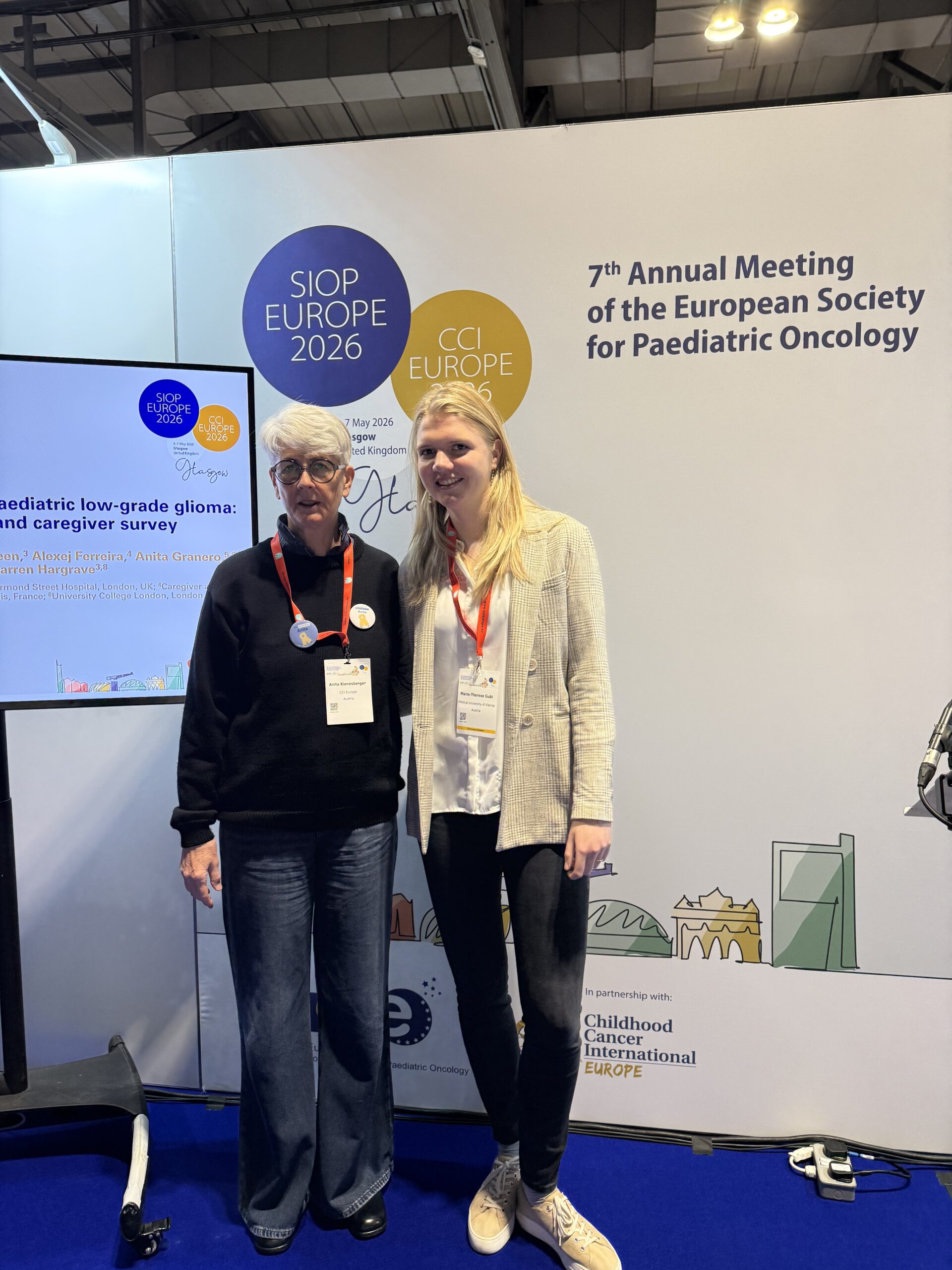
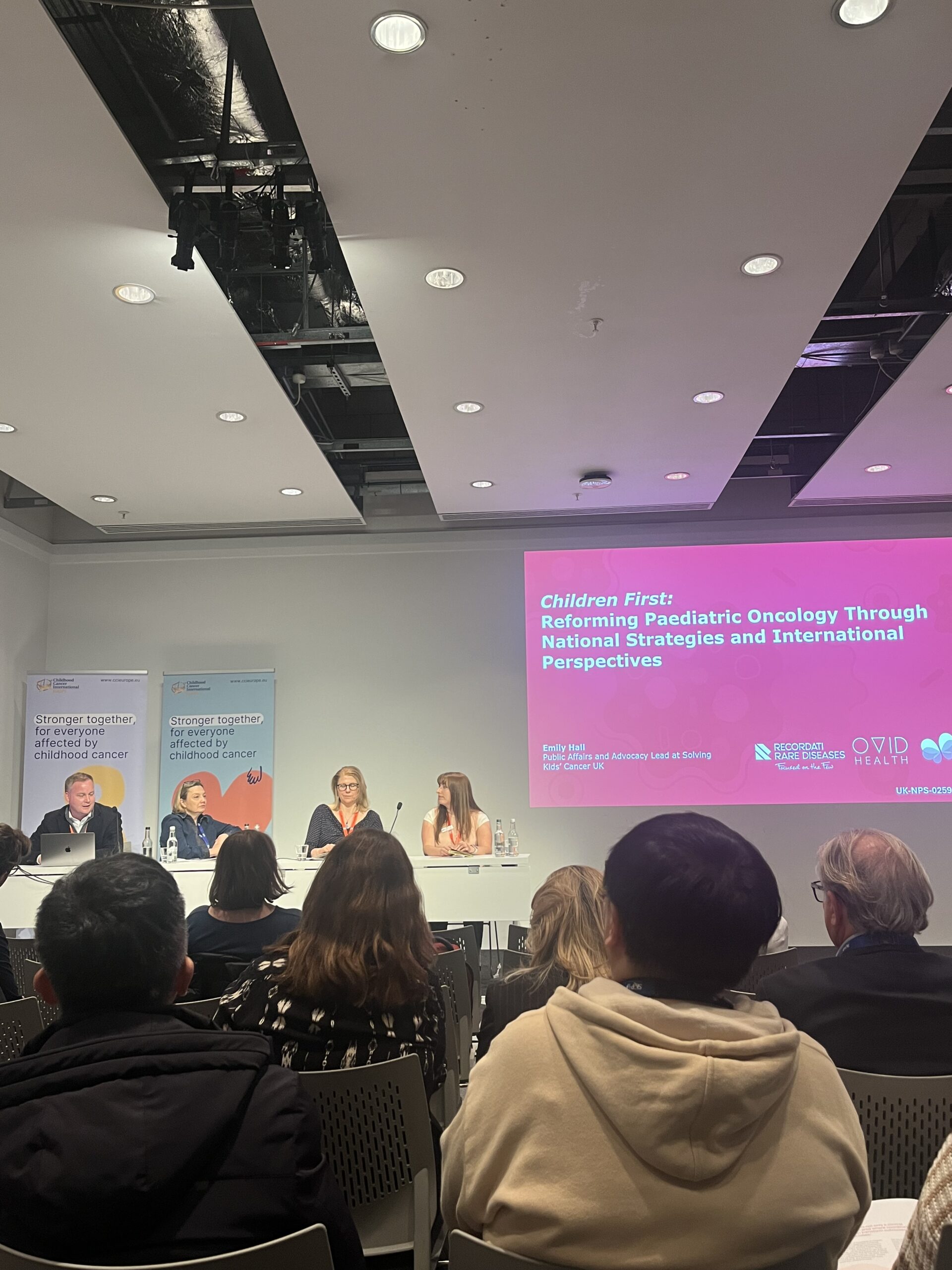
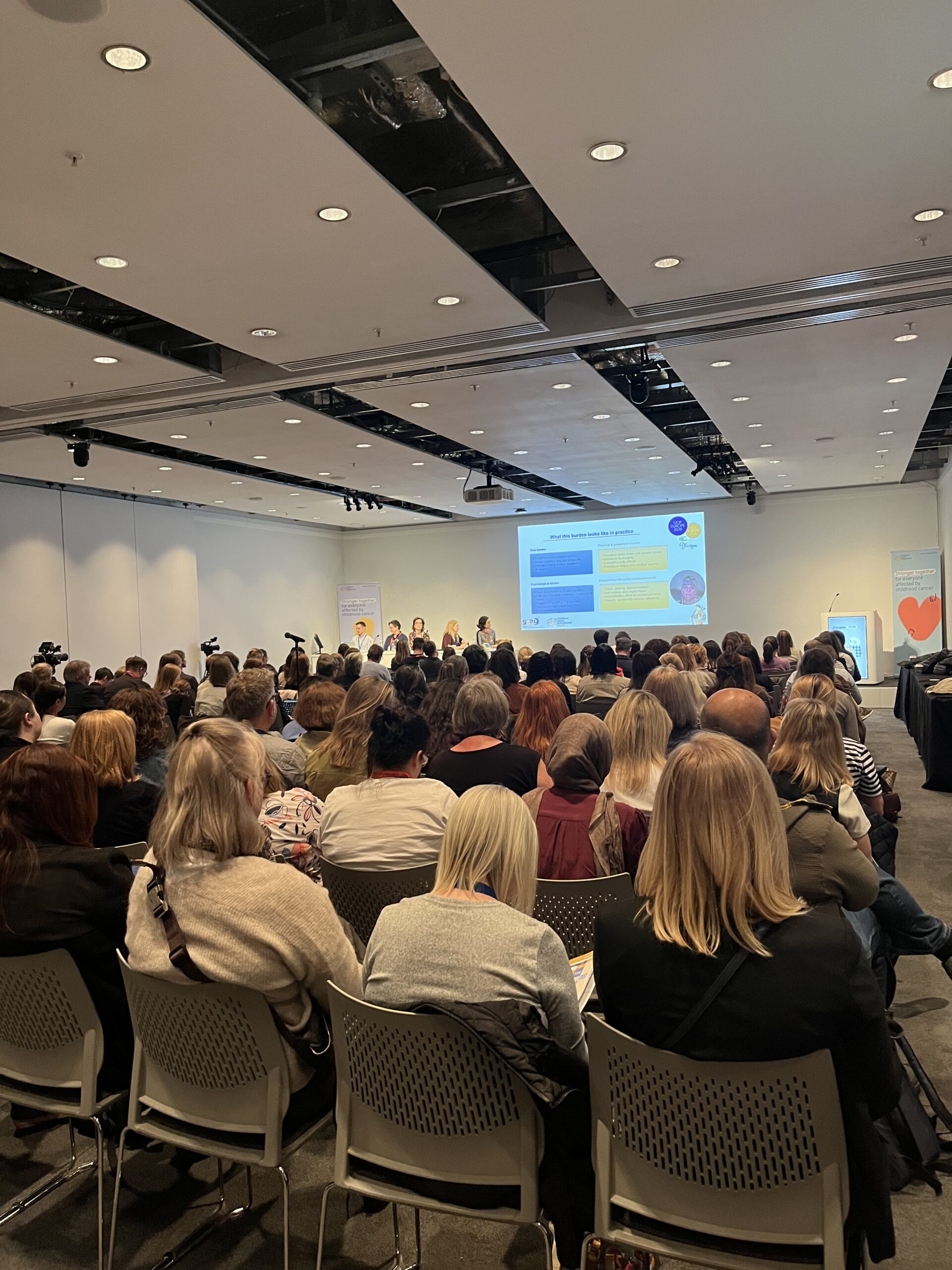
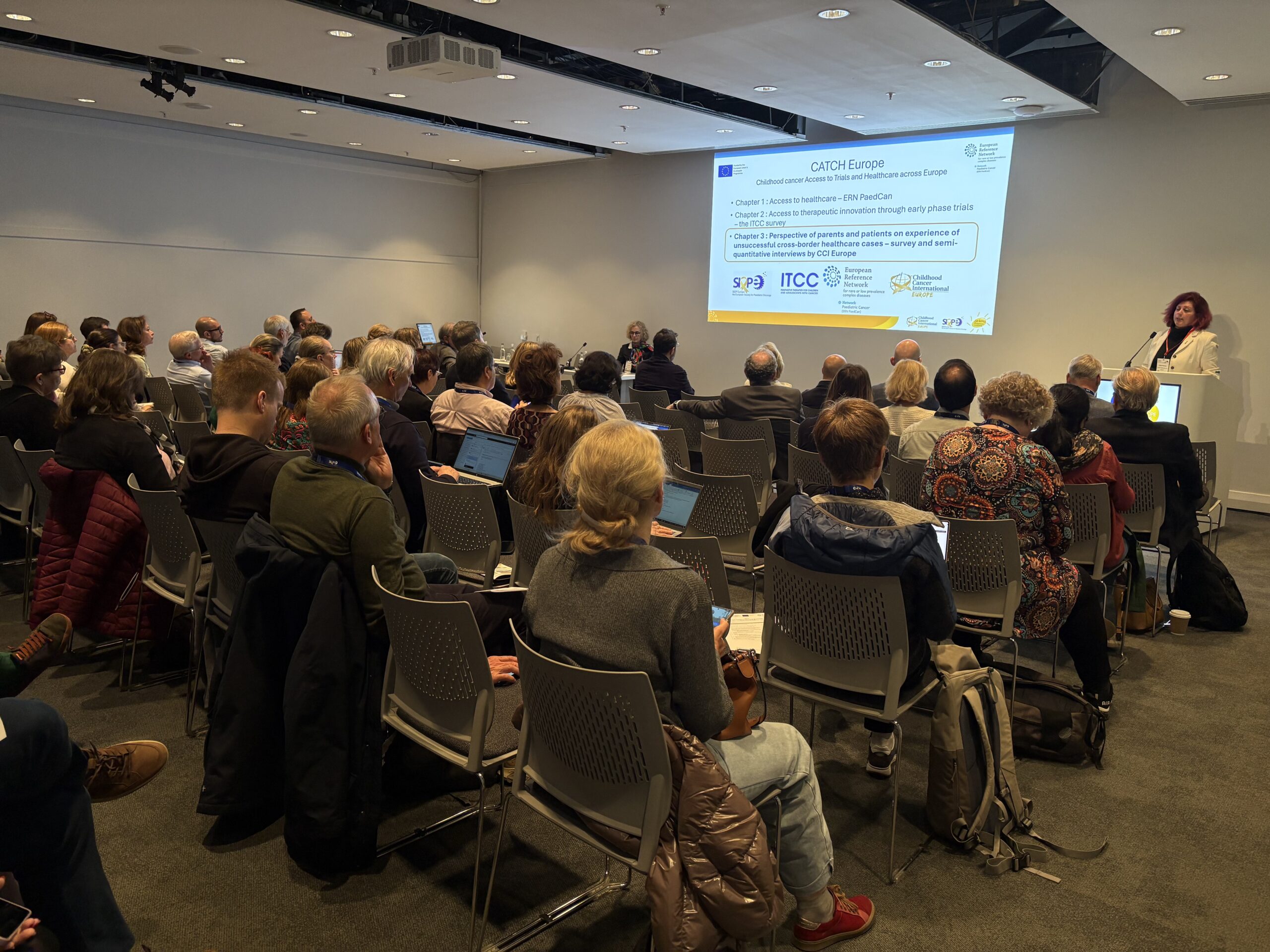
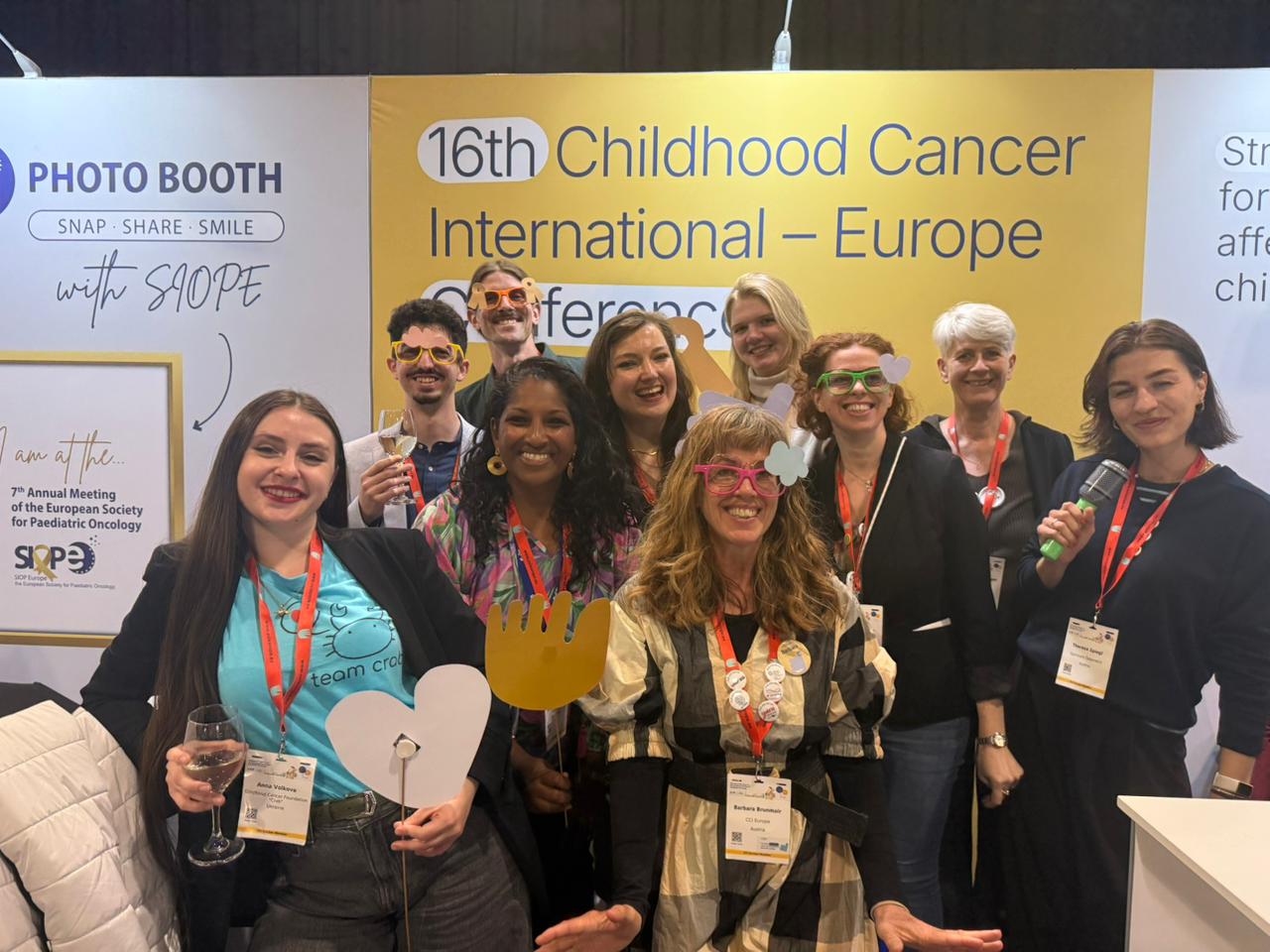
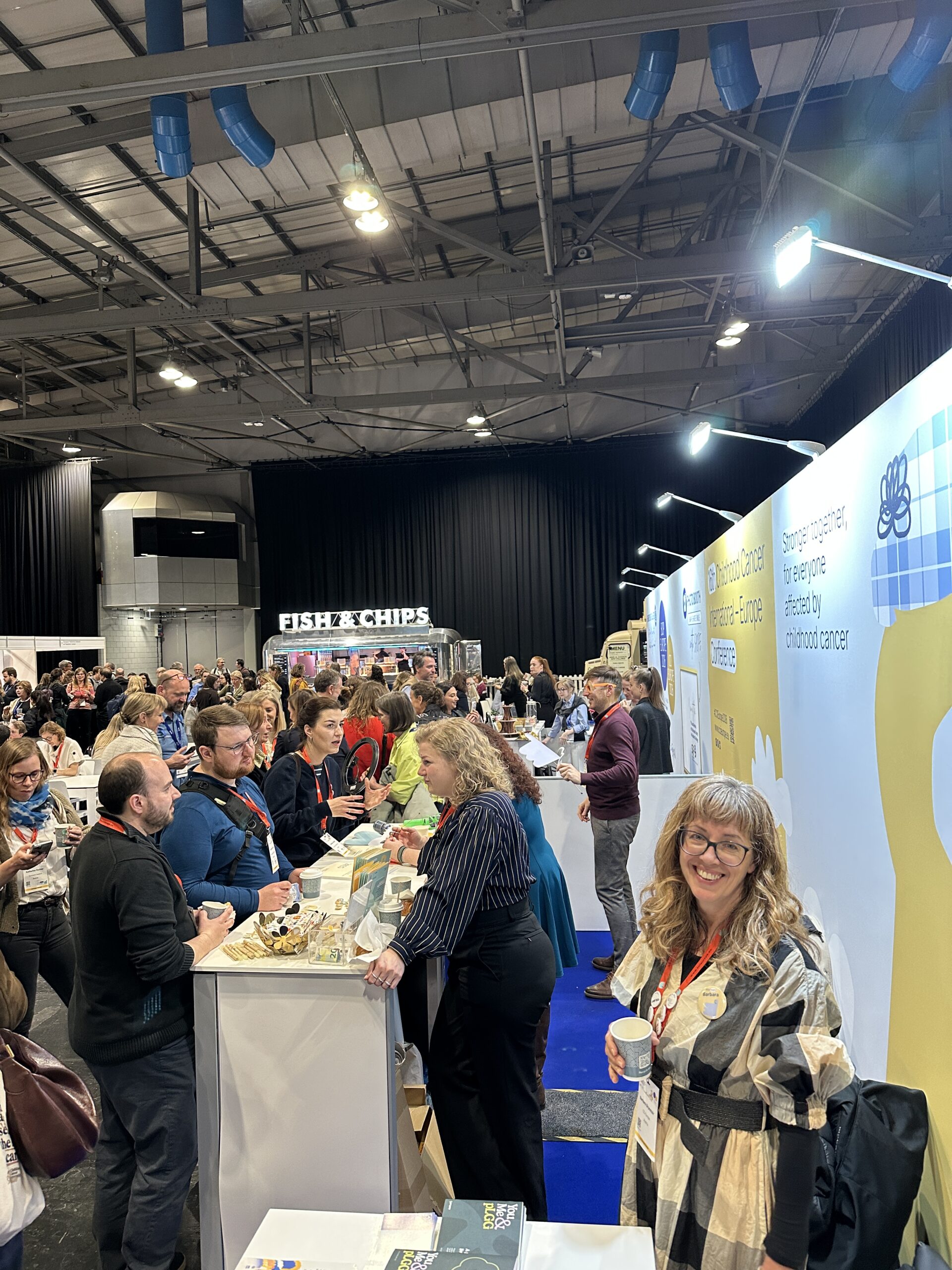
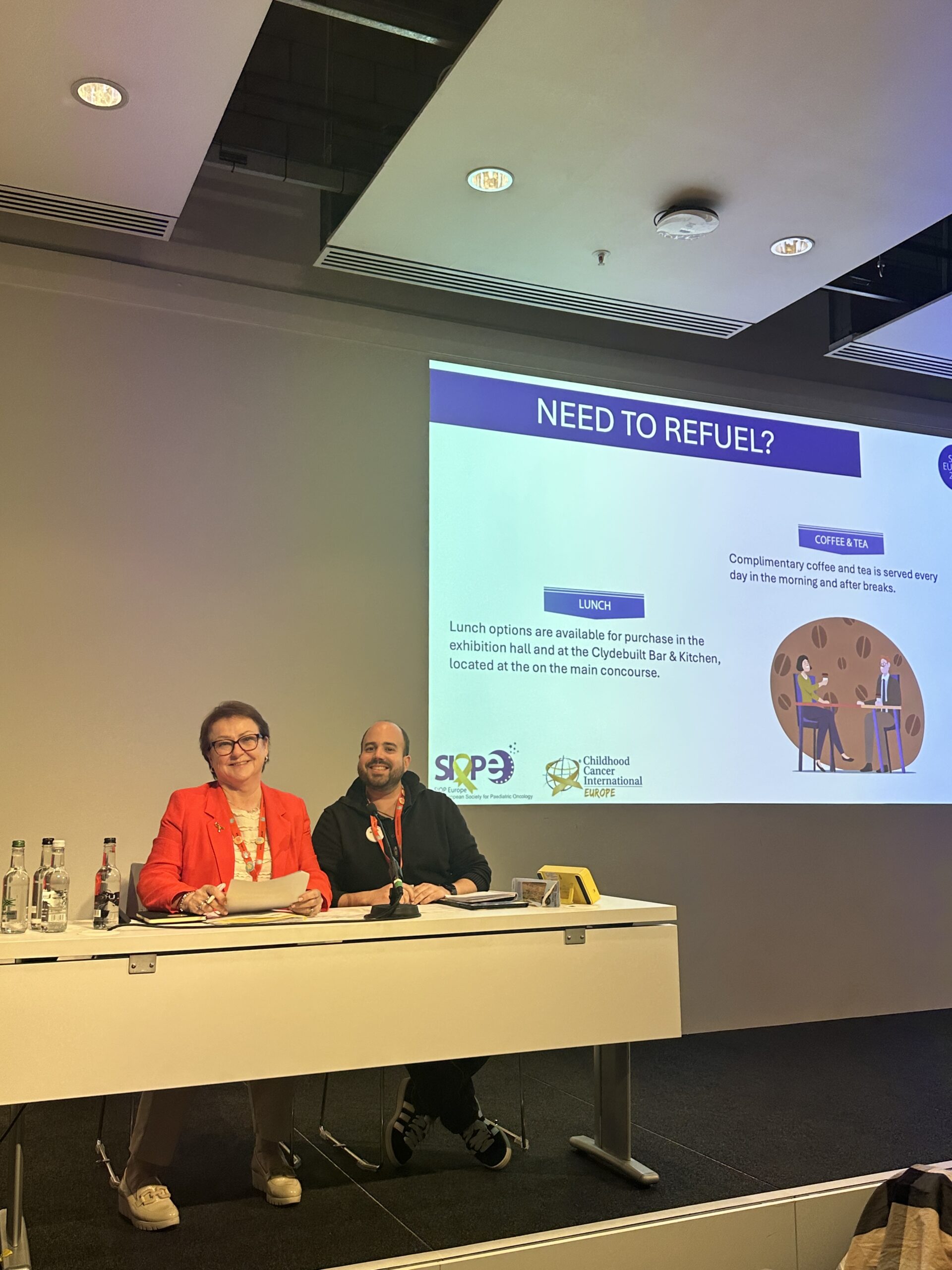
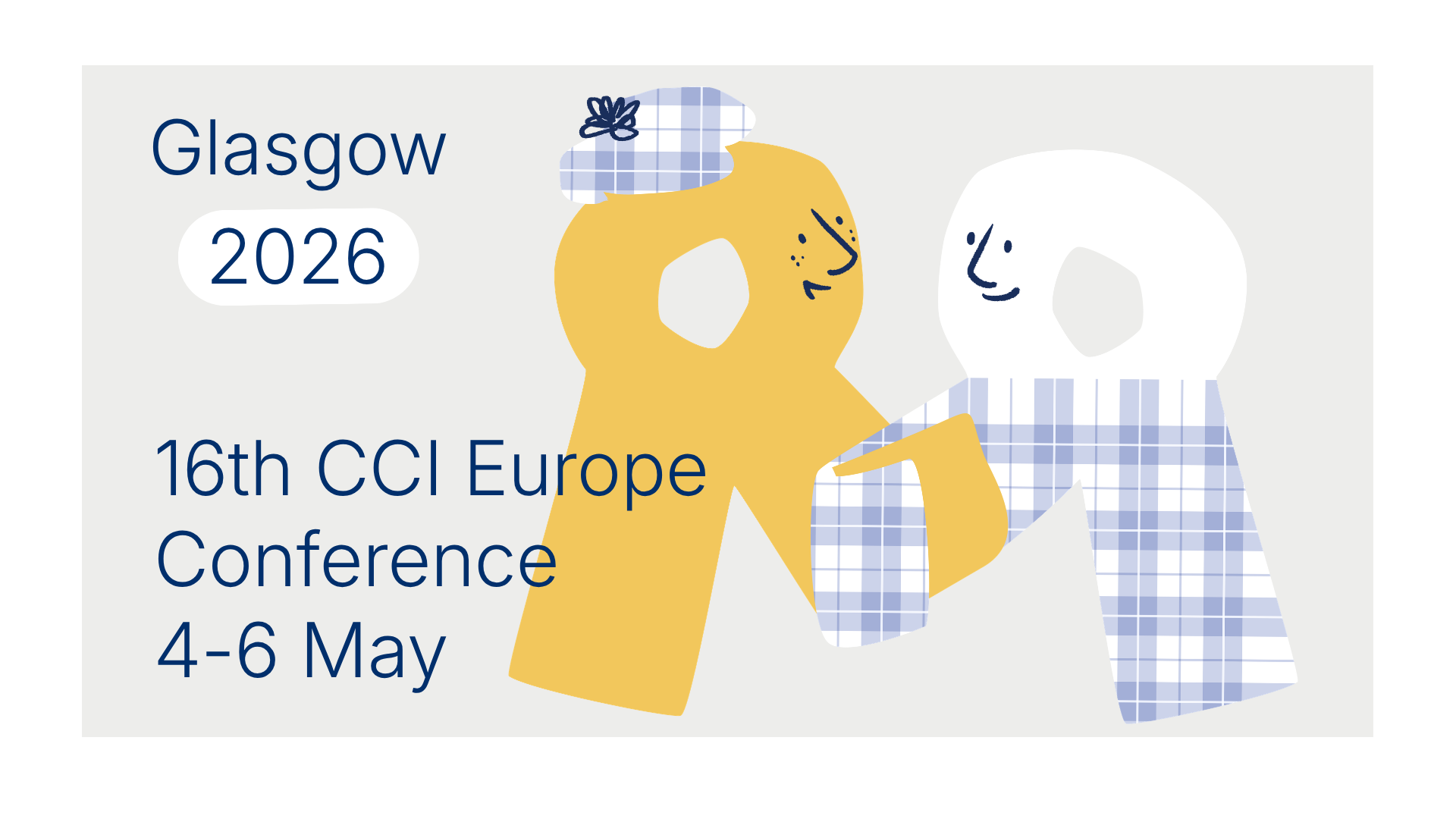
From 4–6 May 2026, advocates, survivors, parents, healthcare professionals, researchers, and partners from across Europe gathered in Glasgow for this year’s CCI Europe Conference, held in partnership with SIOP Europe. The event once again highlighted the strength of collaboration and the importance of bringing together professional expertise and lived experience to improve the lives of children and adolescents with cancer, survivors, and their families.
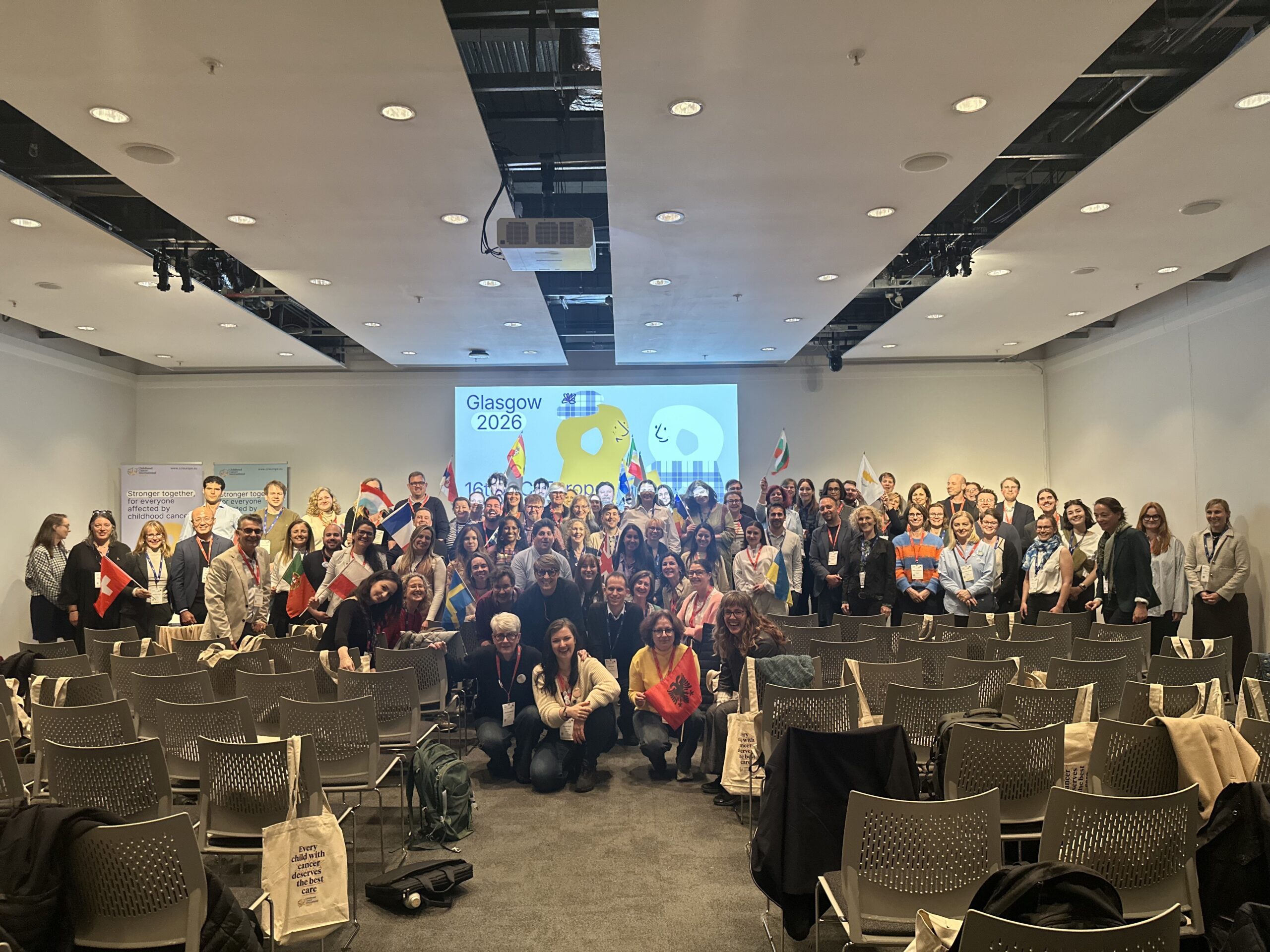
The conference programme opened with updates from Childhood Cancer International and Childhood Cancer International – Europe, providing participants with insights into ongoing activities, priorities, and advocacy efforts within the childhood cancer community. The traditional flag parade once again reflected the diversity, unity, and shared commitment of the European childhood cancer community.
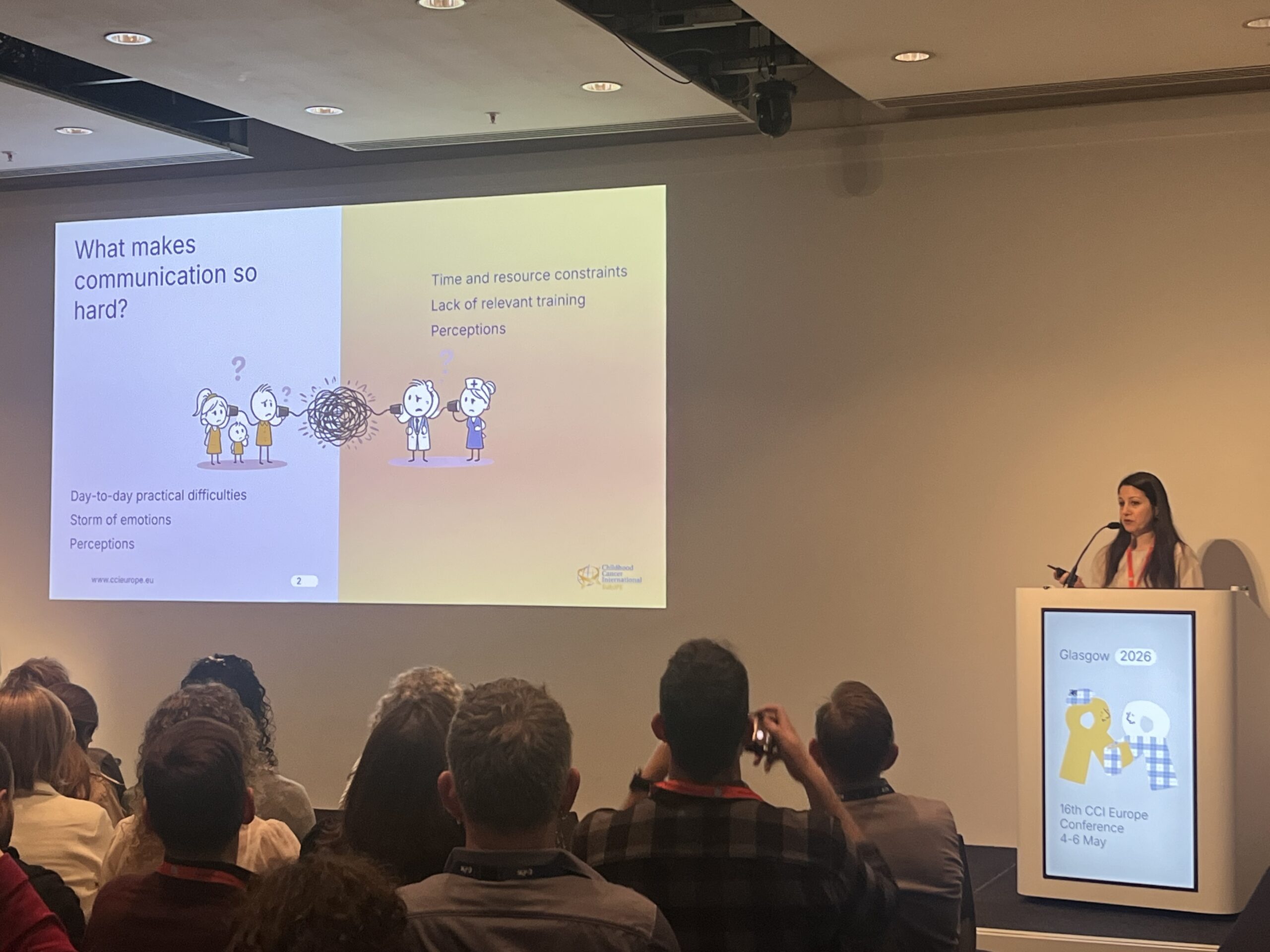
A central theme throughout the conference was the growing recognition of psychosocial care as an essential component of high-quality childhood cancer care.
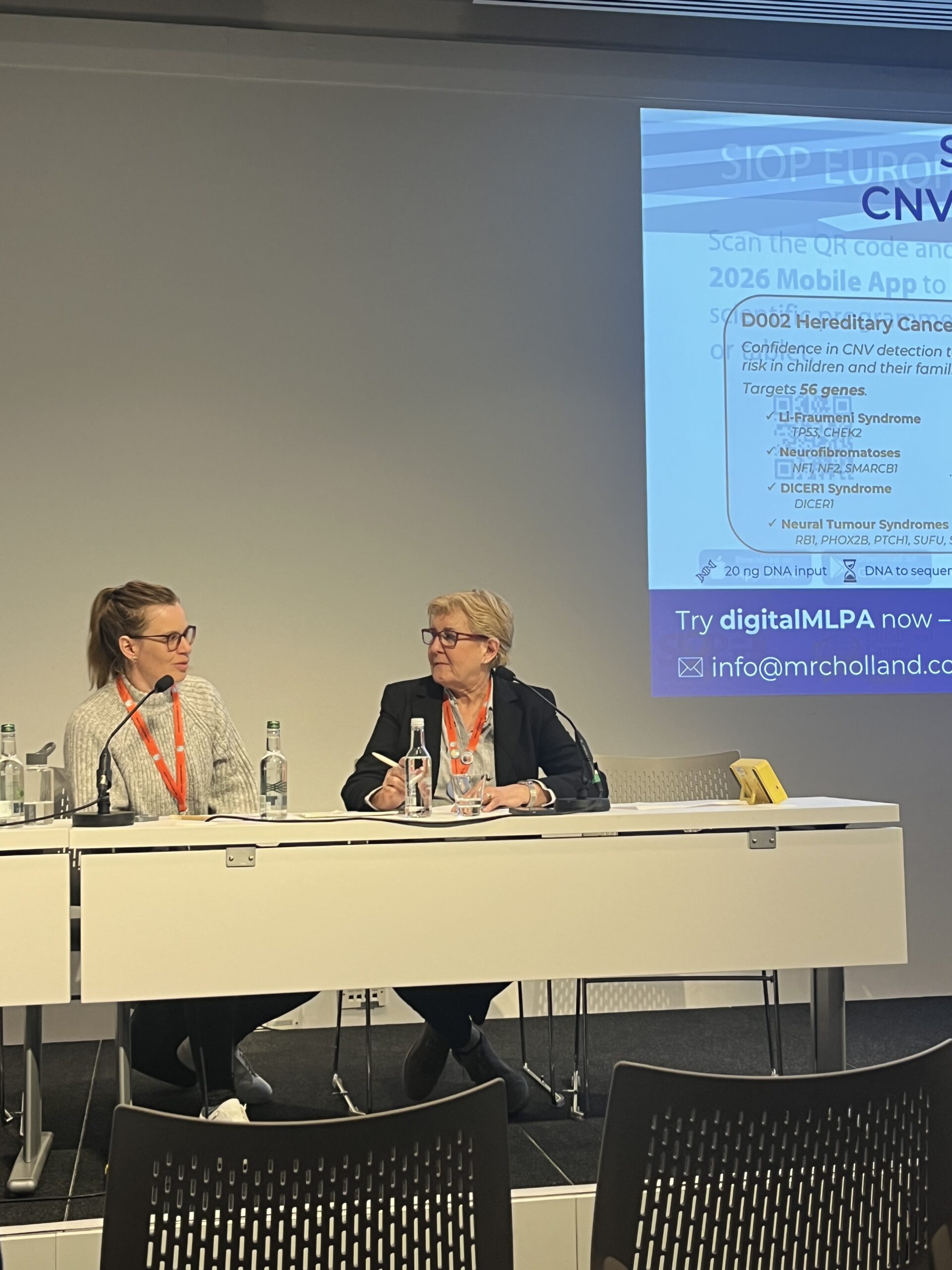
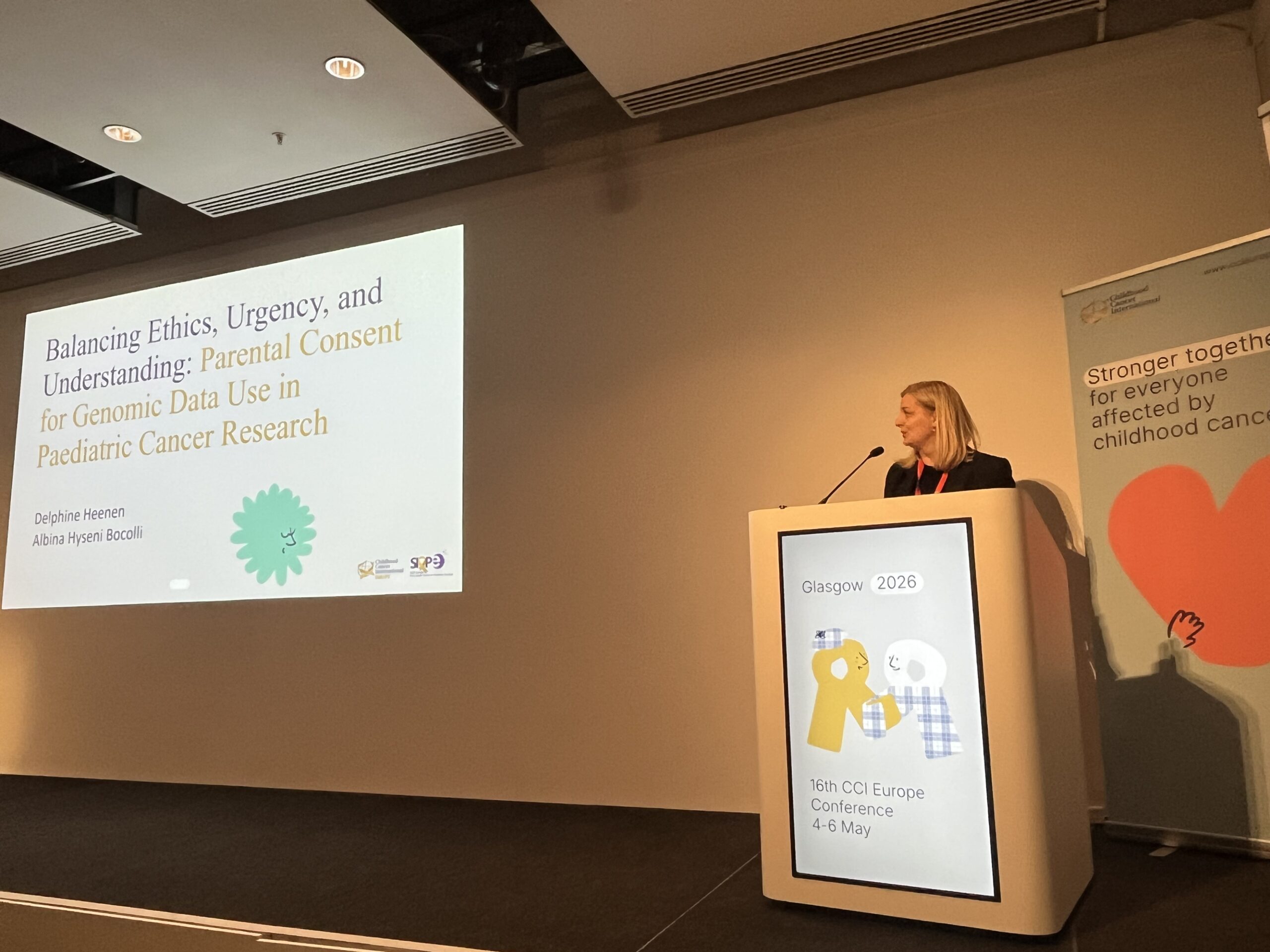
As part of the Psychosocial Working Group of the SIOP Europe, several sessions were organised in collaboration with SIOP Europe, CCI Europe (CCI Europe), the SIOP Europe Palliative Care Group, and PanCare. Discussions focused on compassionate communication, “surviving survival,” integrating Patient-Reported Outcome Measures (PROMs) and Patient-Reported Experience Measures (PREMs) into clinical trials, and designing trials that better reflect patient and family needs.
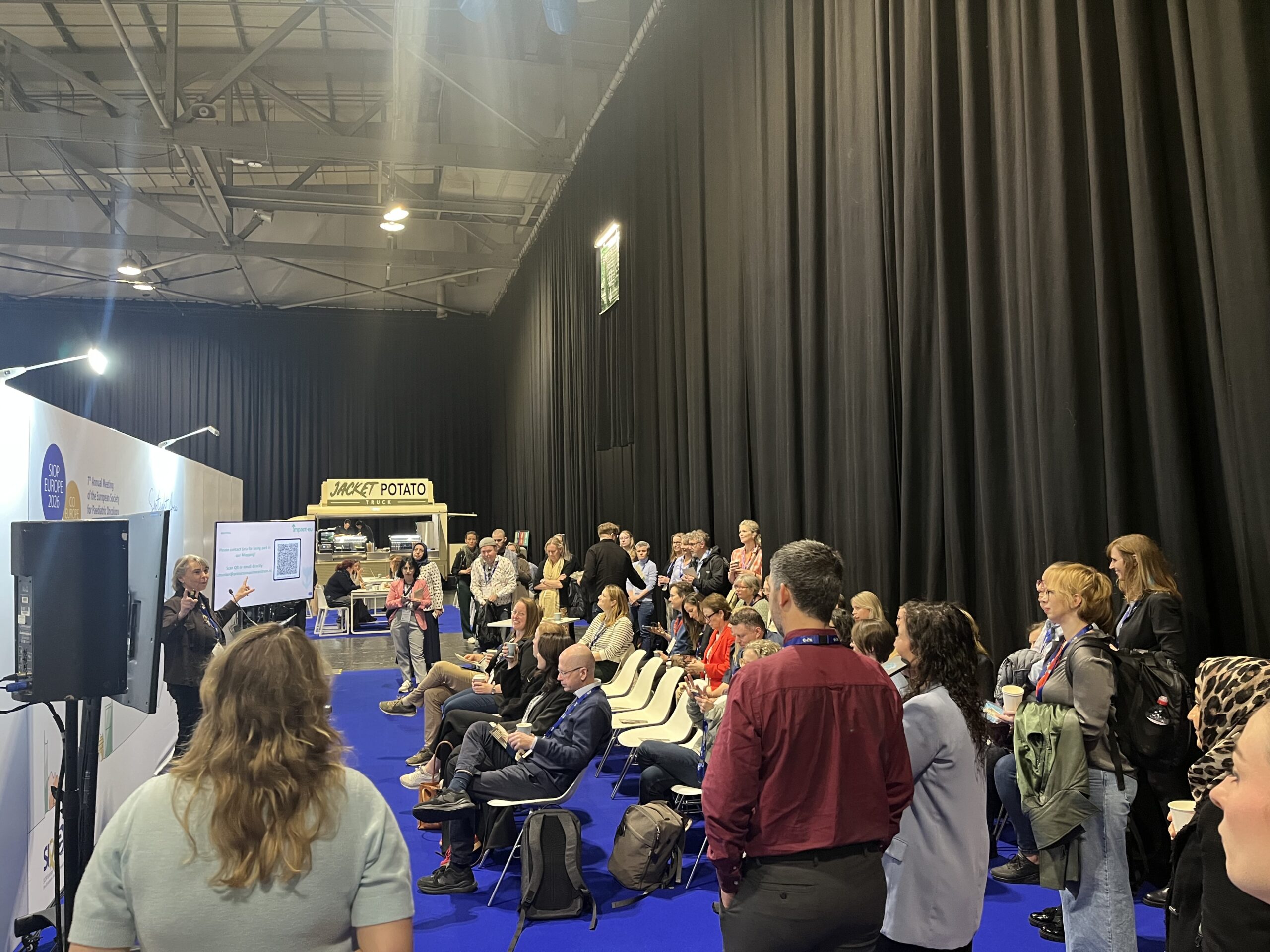
Additional sessions explored practical psychosocial interventions and tools, including the Psychosocial Assessment Tool (PAT), approaches to reducing anxiety and medical procedural distress, and interventions such as Little Nirvana and EMDR. Spotlight sessions dedicated to initiatives including IMPACT-EU, ALTHEA, PanCare4AYA, ERN PaedCan and YARN (Youth Cancer Network) further reinforced the shared commitment to strengthening psychosocial and survivorship care across Europe.
The programme also included abstract sessions, which created valuable opportunities for members of the community to learn from one another and exchange experiences and good practices. Topics included making impact at the national level and the power of survivors in advocacy and healthcare improvement.
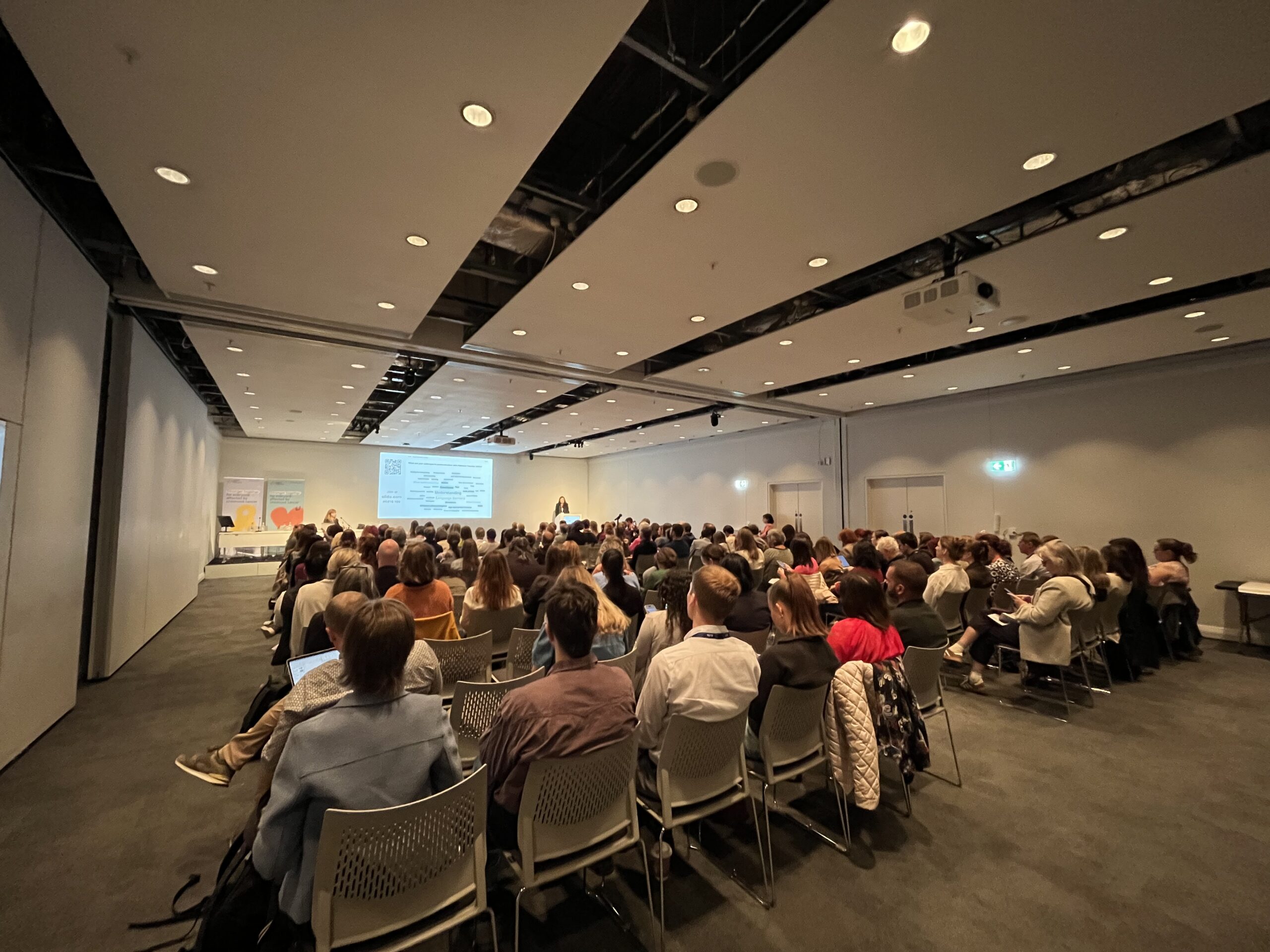
Another important joint session, organised together with the SIOPE Palliative Care Working Group, Nursing Working Group, Psychosocial Working Group, and Young SIOPE, focused on “How to Design a Clinical Trial that Meets Scientific Goals and Patient Need”, highlighting the importance of integrating patient perspectives into research and care design.
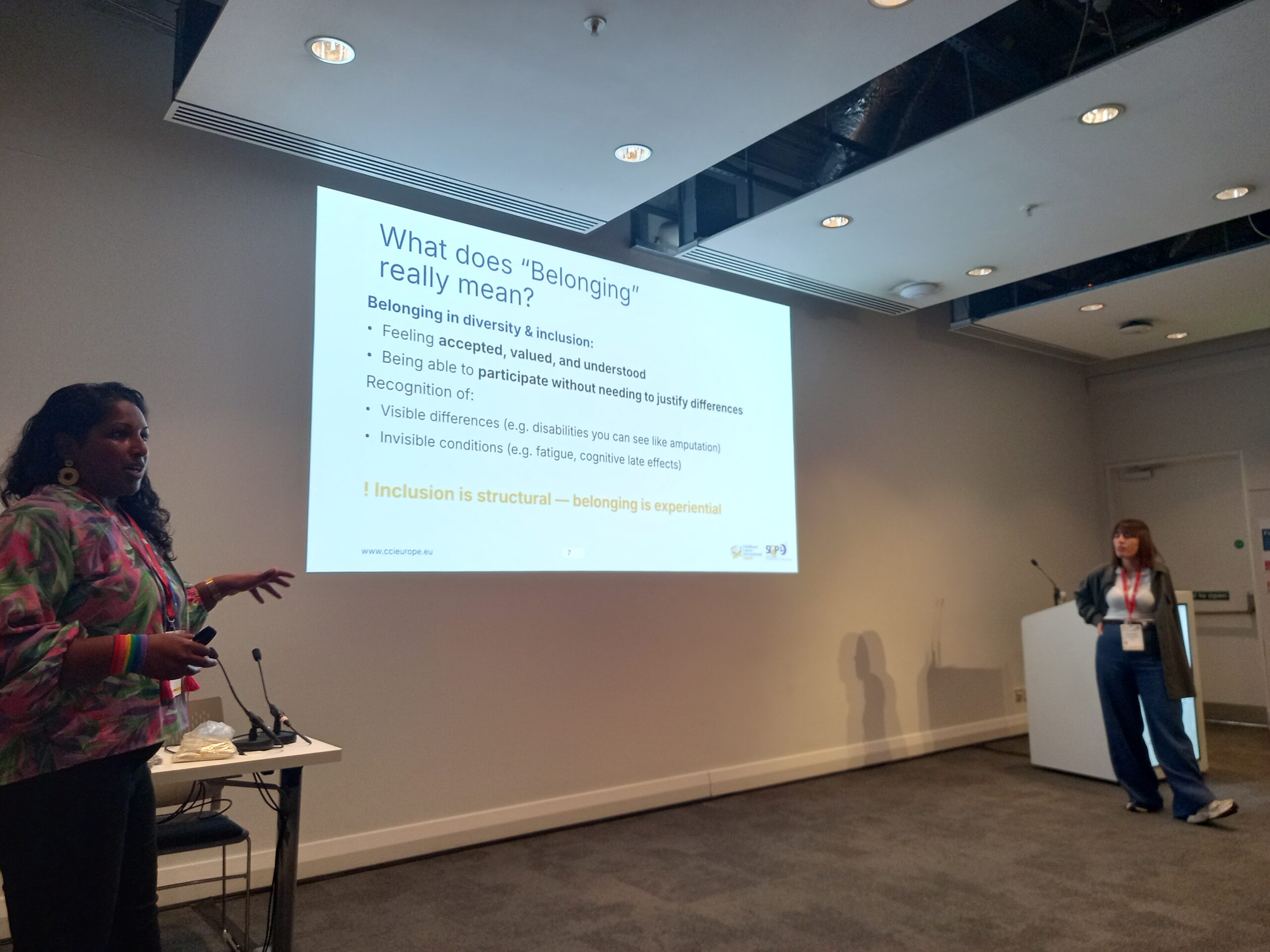
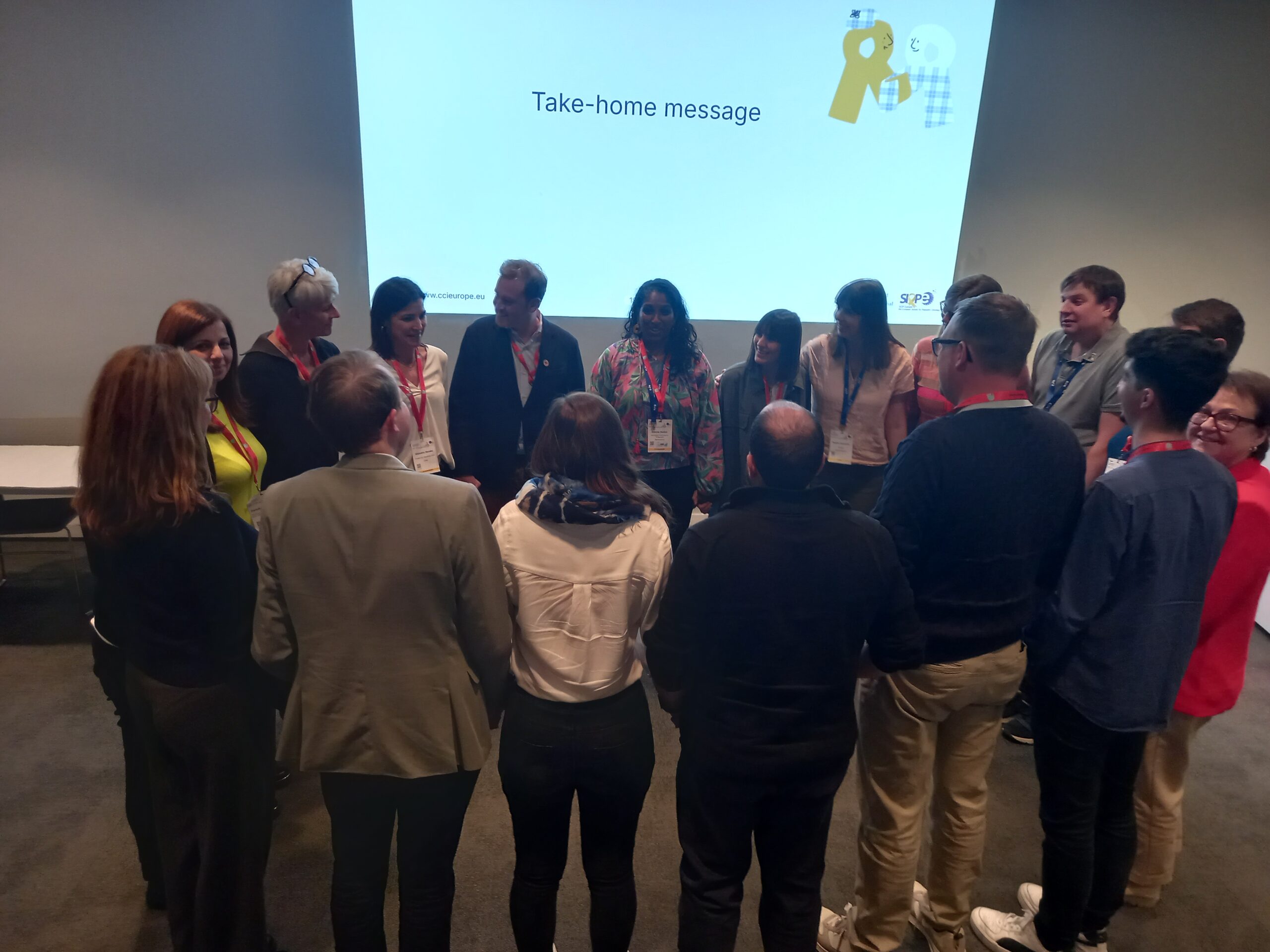
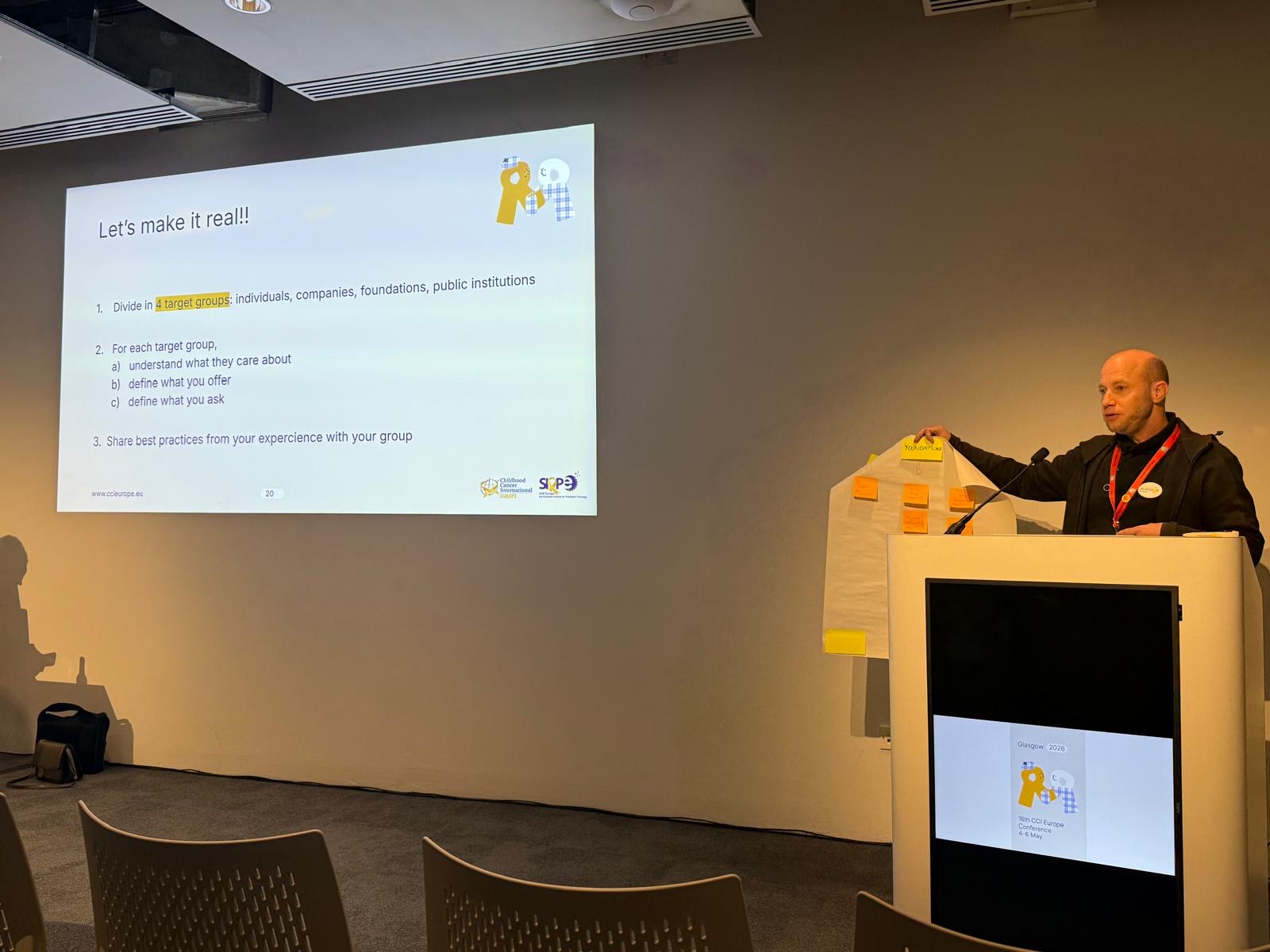
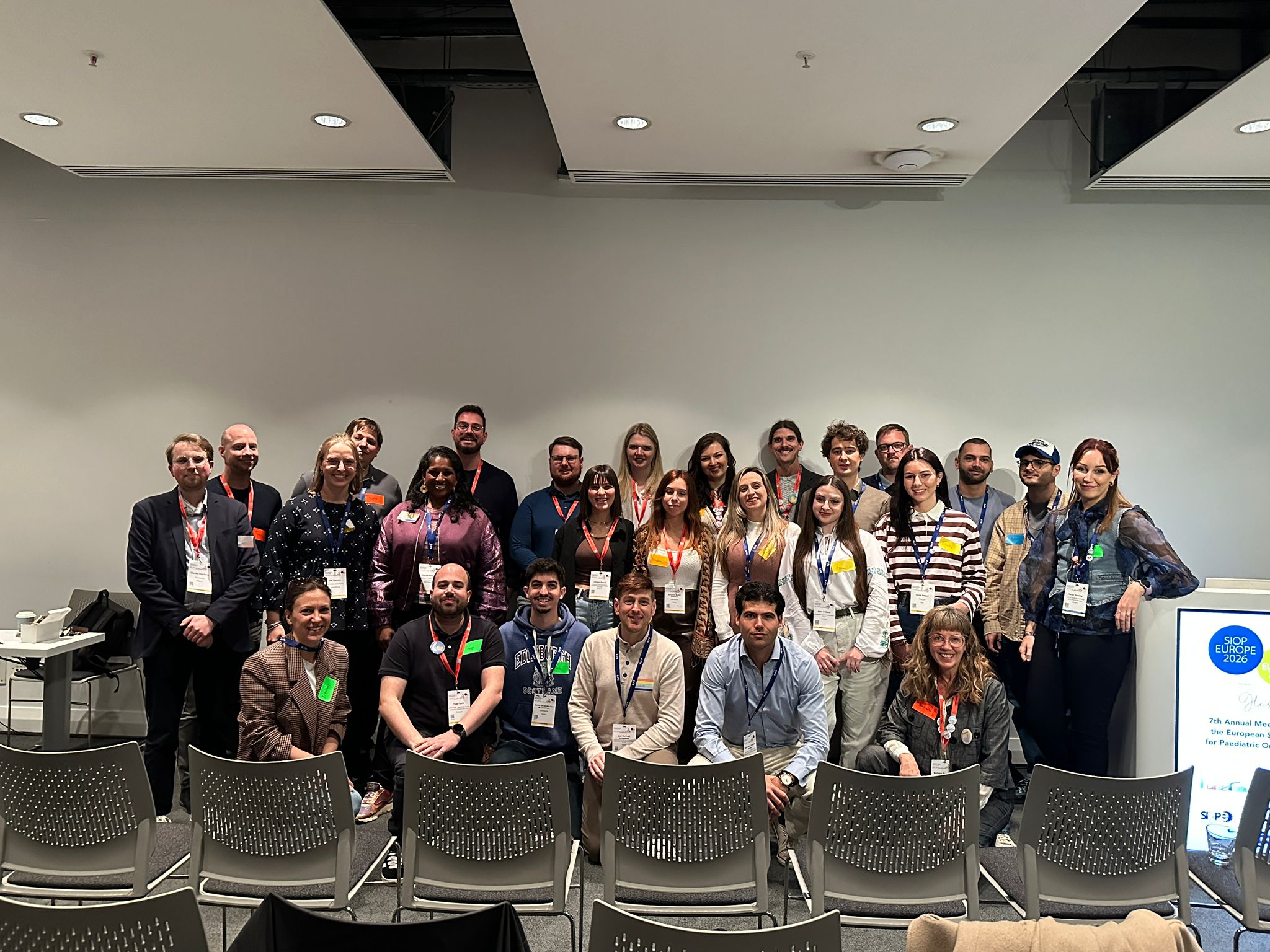
Another important focus of the conference was survivorship, inclusion, and strengthening support within the childhood cancer community. Three dedicated workshops created space for exchange, reflection, and practical discussions:
- Belonging: participants explored both visible and invisible barriers survivors may face, including late effects, unequal opportunities, emotional labour, minority stress, and the impact of intersectionality, while also highlighting the strengths survivors bring through lived experience, resilience, and collective knowledge.
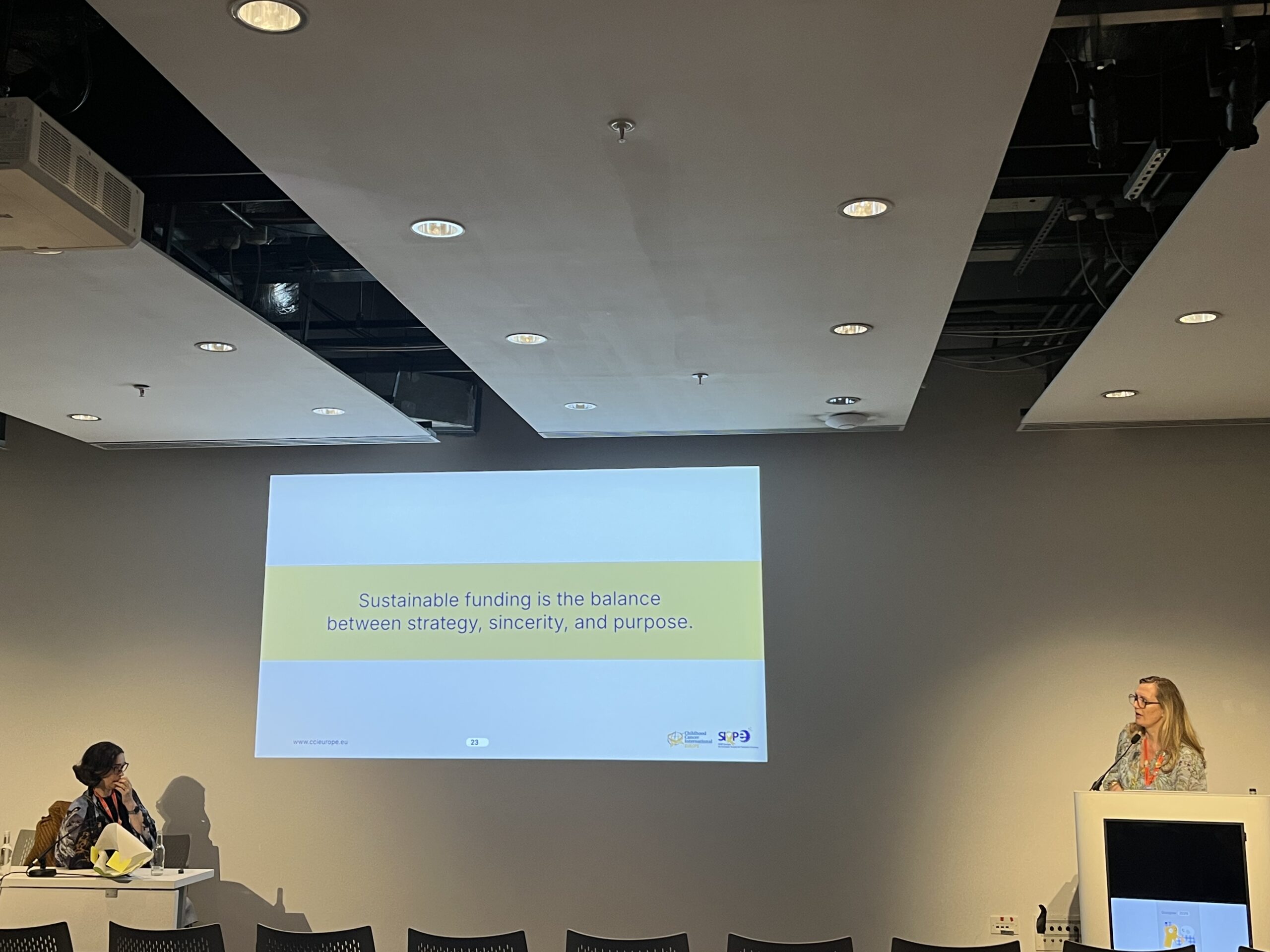
- Fundraising: discussions focused on strengthening advocacy organisations through sustainable fundraising approaches, collaboration, and capacity building to ensure long-term support for children, adolescents, survivors, and families affected by cancer.
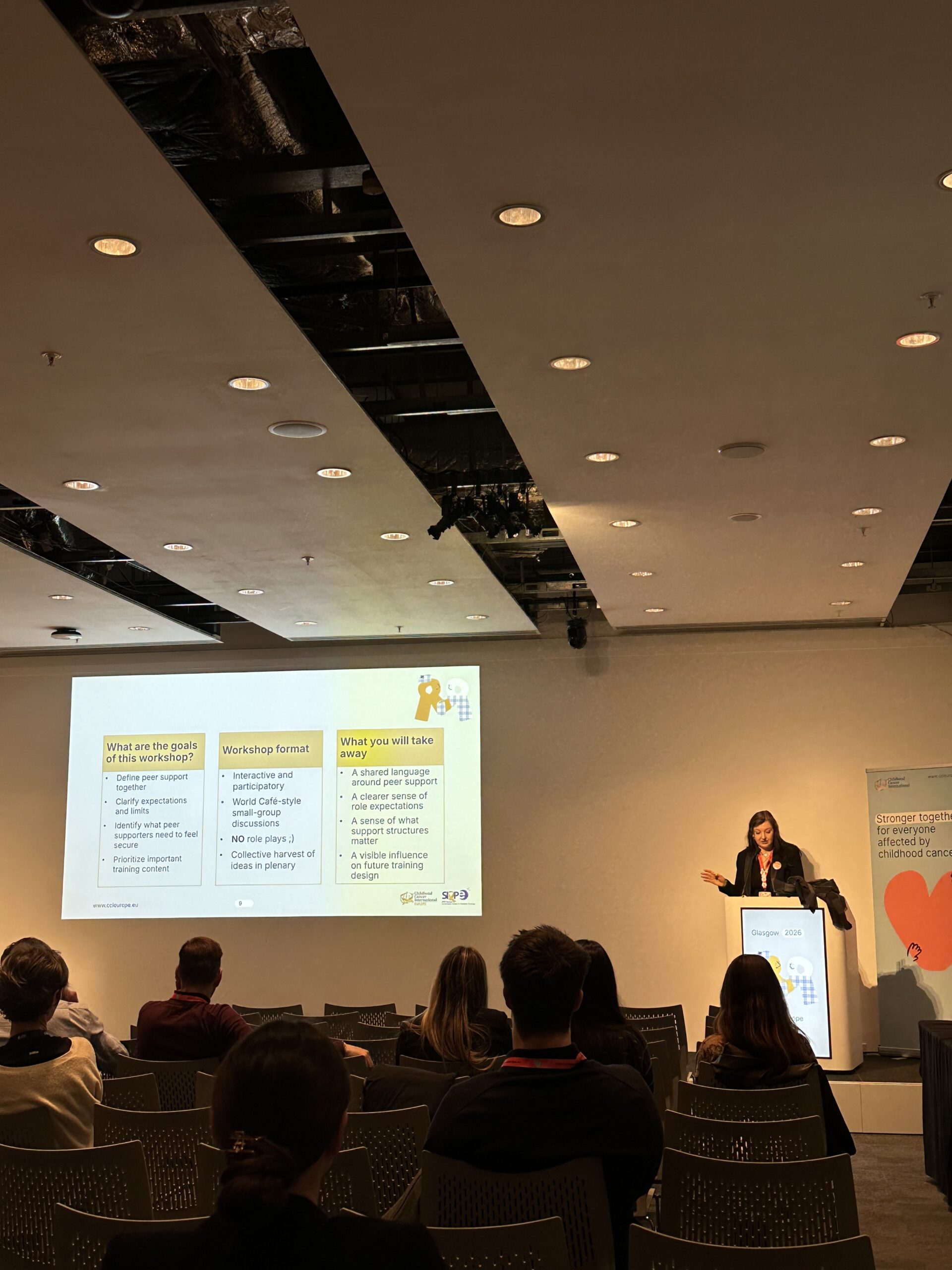
- Peer Support: participants exchanged experiences and good practices on the value of peer support for patients, survivors, parents, siblings, and bereaved families, reinforcing the importance of community connections and shared understanding throughout the cancer pathway.
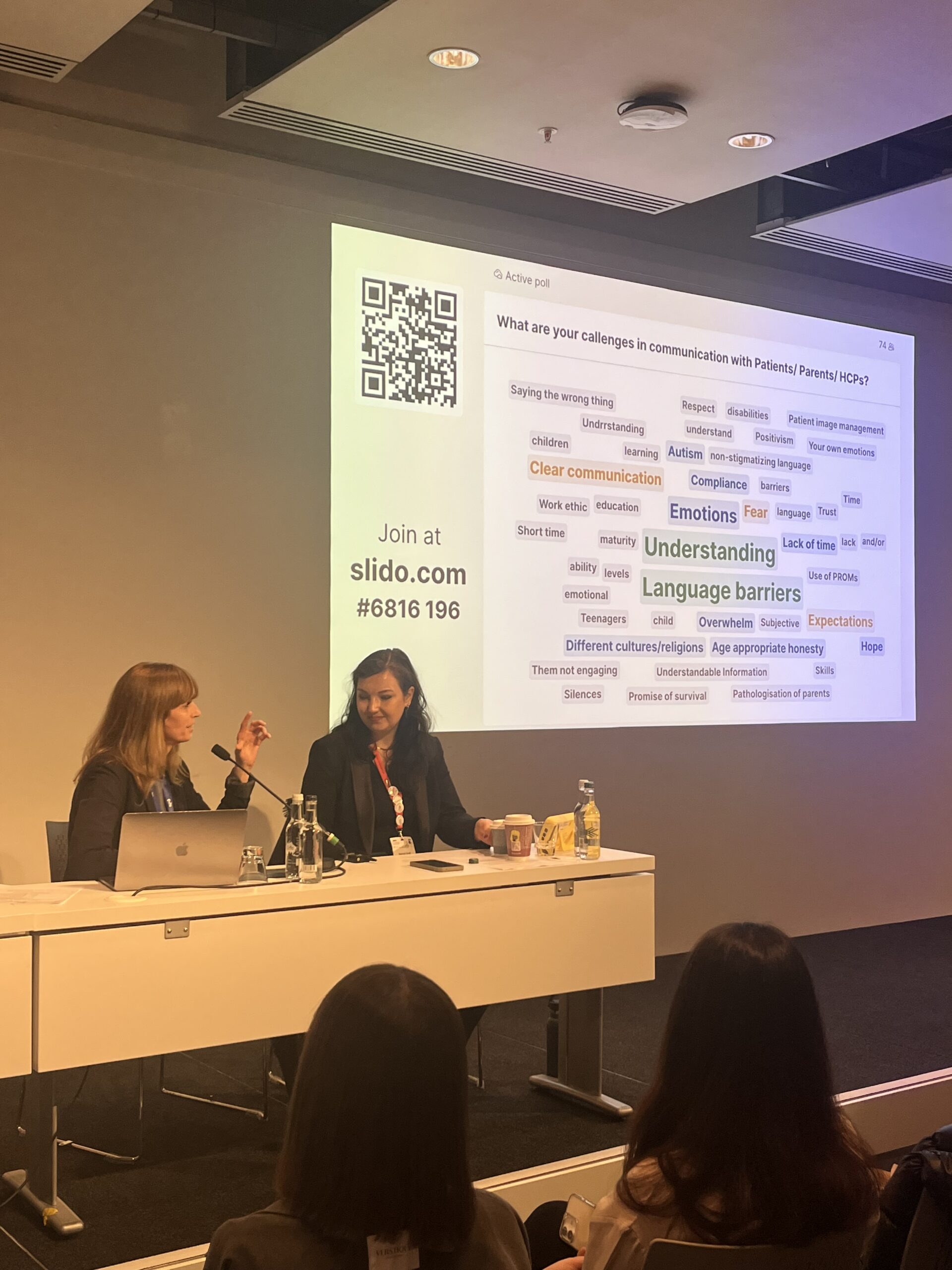
Throughout the conference, discussions reinforced the importance of sensitive and compassionate communication with children, adolescents, survivors, and families, while emphasising the value of integrating diverse perspectives from patients, survivors, carers, and multidisciplinary healthcare professionals.
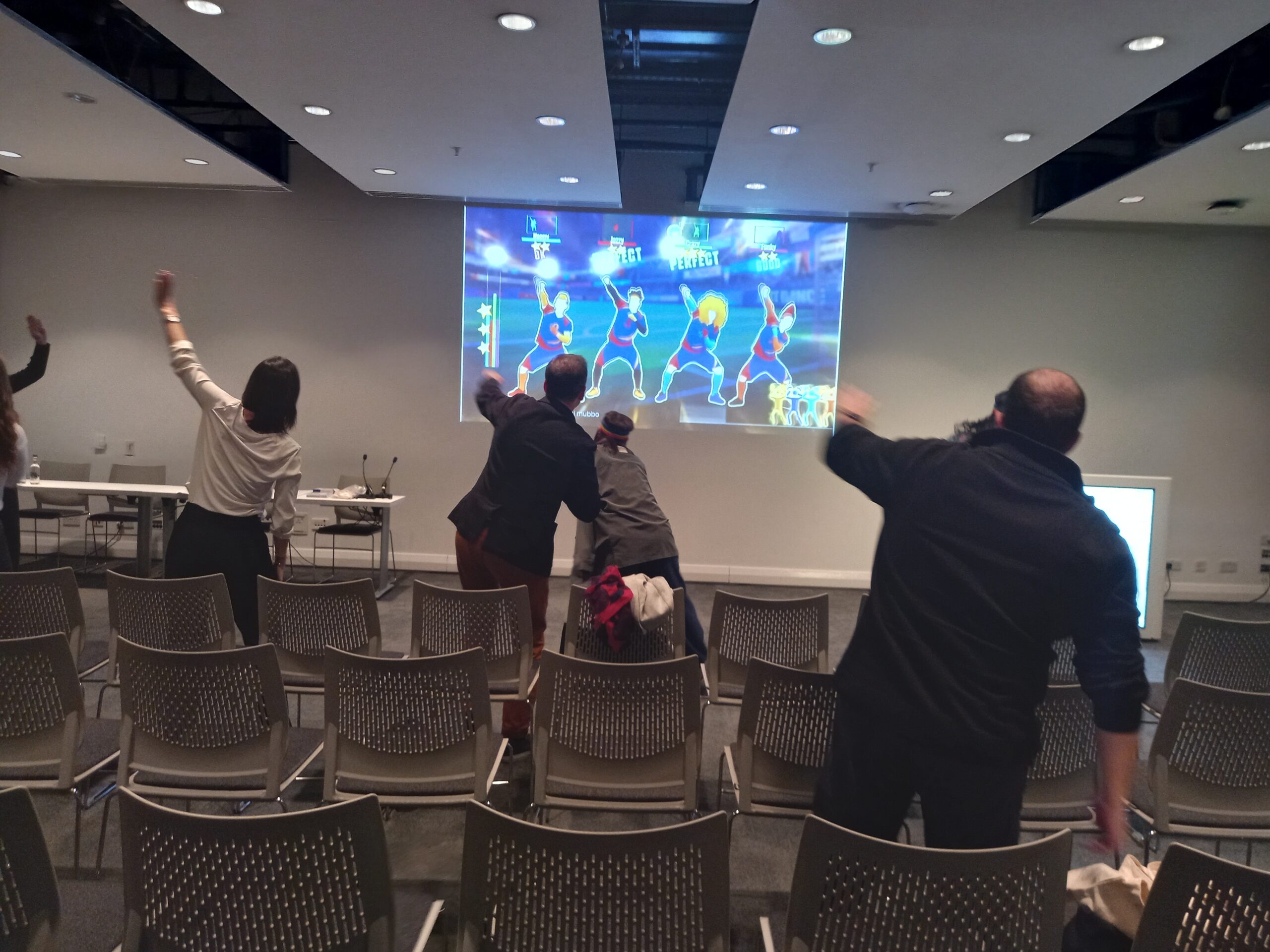
The conference also created valuable opportunities for connection and community-building beyond the formal programme. On Monday morning, before the official start of the conference, survivors gathered in a closed session to share experiences and discuss advocacy priorities in a safe and supportive environment. Later that evening, the Survivors’ Dinner provided another important opportunity for connection and exchange within the survivor community.
Tuesday evening’s Networking Dinner, kindly sponsored by Solving Kids’ Cancer UK, brought together participants from across Europe in an atmosphere of collaboration and celebration. During the dinner, attendees also learned more about the IMPACCT programme. The evening offered a valuable opportunity to reconnect with long-standing members of the childhood cancer community, welcome new participants, and experience a touch of Scottish culture together.
This year’s conference in Glasgow once again demonstrated that meaningful progress in childhood cancer care depends on collaboration, equity, and strong survivor and patient involvement. While important challenges remain, participants left Glasgow with renewed motivation and a shared commitment to continue advancing high-quality medical, psychosocial, and survivorship care across Europe.
The childhood cancer community now looks ahead to the next CCI Europe Conference, which will take place in Vienna from 18–20 June 2027, where stakeholders from across Europe will once again come together to strengthen partnerships, share knowledge, and continue working toward a better future for children and adolescents affected by cancer and their families.